In today’s fast-paced digital world, a CRM base de donnee isn’t just a tool—it’s a game-changer. Discover how this powerful system transforms customer relationships, boosts sales, and drives long-term success.

Understanding CRM Base de Donnee: The Core Concept

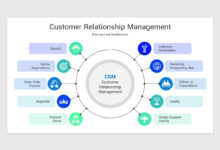
The term CRM base de donnee refers to a centralized database within a Customer Relationship Management (CRM) system that stores, organizes, and manages all customer-related data. This includes contact information, interaction history, purchase behavior, preferences, and support tickets. By consolidating this data, businesses gain a 360-degree view of their customers, enabling smarter decision-making and more personalized engagement.
What Is a CRM Database?
A CRM database is the backbone of any CRM platform. Unlike traditional spreadsheets or isolated systems, it integrates data from multiple touchpoints—email, social media, phone calls, live chat, and website visits—into a single, accessible repository. This unified view ensures that every team member, from sales to customer service, has accurate and up-to-date information at their fingertips.
- Stores customer profiles, including names, emails, phone numbers, and job titles
- Tracks communication history across channels
- Records transaction and order history
According to Salesforce, organizations using CRM systems see a 36% increase in customer satisfaction and a 34% improvement in sales productivity.
How CRM Base de Donnee Differs from Traditional Databases
While traditional databases are often static and siloed, a CRM base de donnee is dynamic and relational. It doesn’t just store data—it analyzes it. For example, it can identify patterns in customer behavior, predict churn risks, and recommend next-best actions. This level of intelligence makes it far more valuable than a simple data warehouse.
“A CRM database turns raw data into actionable insights, empowering teams to build stronger, more profitable relationships.”
Key Components of a CRM Base de Donnee
To fully leverage a CRM base de donnee, it’s essential to understand its core components. Each element plays a critical role in ensuring data accuracy, accessibility, and usability across departments.
Customer Profiles and Contact Management
The foundation of any CRM base de donnee is the customer profile. This includes not only basic contact details but also enriched data such as social media handles, company size, industry, and lifecycle stage. Advanced CRMs allow for custom fields, enabling businesses to capture unique data points relevant to their operations.
- Automated data capture from forms and integrations
- Duplicate detection and merging capabilities
- Real-time updates across devices and platforms
Tools like Zoho CRM offer AI-powered contact enrichment, pulling in data from public sources to keep profiles current.
Interaction and Communication Logs
Every email, call, meeting, or support ticket is logged within the CRM base de donnee. This creates a chronological timeline of customer interactions, which is invaluable for onboarding new team members or resolving disputes. It also helps identify communication gaps and optimize outreach strategies.
- Automatic logging via email integration
- Call recording and transcription (in premium plans)
- Integration with messaging platforms like WhatsApp and Slack
Sales Pipeline and Opportunity Tracking
A CRM base de donnee doesn’t just store data—it drives action. Sales teams use it to track leads through the pipeline, from initial contact to closed deal. Each stage is monitored with metrics like conversion rates, average deal size, and sales cycle length.
- Visual pipeline dashboards for real-time tracking
- Automated reminders for follow-ups
- Forecasting tools based on historical data
As noted by Gartner, CRM systems with robust pipeline management can reduce sales cycle times by up to 20%.
Benefits of Implementing a CRM Base de Donnee
Deploying a CRM base de donnee offers transformative advantages across the organization. From enhancing customer experience to streamlining internal processes, the impact is both measurable and strategic.
Improved Customer Experience and Personalization
With a complete view of the customer, businesses can deliver highly personalized experiences. For instance, a support agent can see a customer’s past purchases and previous issues before answering a call, leading to faster resolutions and higher satisfaction.
- Personalized email campaigns based on behavior
- Dynamic content on websites and landing pages
- Targeted product recommendations
Research from McKinsey shows that personalization can reduce acquisition costs by up to 50% and increase revenues by 5–15%.
Enhanced Sales Efficiency and Forecasting Accuracy
Sales teams equipped with a CRM base de donnee spend less time on administrative tasks and more time selling. Automation features like lead scoring, task reminders, and report generation free up valuable hours. Additionally, data-driven forecasting allows managers to set realistic targets and allocate resources effectively.
- Automated lead assignment based on territory or expertise
- Real-time performance dashboards
- AI-powered sales coaching suggestions
“CRM databases don’t just track sales—they accelerate them.”
Better Data Management and Collaboration
One of the biggest challenges in growing businesses is data fragmentation. A CRM base de donnee eliminates this by serving as a single source of truth. Teams across departments—marketing, sales, support, and finance—can access and update the same data, reducing errors and miscommunication.
- Role-based access control for data security
- Internal commenting and @mentions for collaboration
- Version history and audit trails
Platforms like HubSpot and Microsoft Dynamics 365 offer seamless collaboration tools that integrate with productivity suites like Office 365 and Google Workspace.
How CRM Base de Donnee Supports Marketing Strategies
Marketing teams rely heavily on accurate customer data to design effective campaigns. A CRM base de donnee provides the insights needed to segment audiences, personalize messaging, and measure campaign performance.
Customer Segmentation and Targeted Campaigns
Using data from the CRM base de donnee, marketers can segment customers based on demographics, behavior, purchase history, and engagement levels. This allows for hyper-targeted campaigns that resonate with specific groups.
- Behavioral segmentation (e.g., frequent buyers vs. inactive users)
- Geographic and firmographic targeting
- Lifecycle stage-based messaging (e.g., onboarding, retention, win-back)
For example, an e-commerce brand can send exclusive discounts to customers who abandoned their carts, increasing conversion rates by up to 30%, as reported by Optimizely.
Automation of Marketing Workflows
CRM systems enable the automation of repetitive marketing tasks, such as sending welcome emails, nurturing leads, or re-engaging lapsed customers. These workflows are triggered by specific actions recorded in the CRM base de donnee, ensuring timely and relevant communication.
- Email drip campaigns based on user behavior
- Social media post scheduling
- Lead nurturing sequences with dynamic content
Marketing automation can increase qualified leads by 451%, according to NAIC.
Measuring Campaign ROI with Data Analytics
A CRM base de donnee allows marketers to track the performance of every campaign in real time. Metrics such as open rates, click-through rates, conversion rates, and revenue generated are all linked back to customer records, enabling precise ROI calculations.
- Attribution modeling to identify top-performing channels
- A/B testing of subject lines and content
- Integration with Google Analytics and advertising platforms
This level of insight helps optimize future campaigns and justify marketing budgets.
CRM Base de Donnee in Sales: Driving Revenue Growth
Sales teams are among the biggest beneficiaries of a well-implemented CRM base de donnee. It transforms how they manage leads, track opportunities, and close deals.
Lead Management and Qualification
Every lead entering the system—whether from a website form, trade show, or referral—is automatically logged in the CRM base de donnee. Sales reps can then qualify leads using predefined criteria (e.g., BANT: Budget, Authority, Need, Timeline) or AI-driven scoring models.
- Automatic lead capture from web forms and landing pages
- Lead scoring based on engagement and demographic fit
- Drip nurturing for unqualified leads
This ensures that high-potential leads are prioritized, improving conversion rates.
Opportunity Tracking and Deal Stages
Once a lead is qualified, it becomes an opportunity within the CRM base de donnee. The system tracks its progress through predefined deal stages (e.g., Discovery, Proposal, Negotiation, Closed-Won/Lost). Managers can monitor pipeline health and identify bottlenecks.
- Customizable sales pipelines for different product lines
- Probability-based forecasting for revenue prediction
- Document sharing and e-signature integration
According to Capterra, 65% of sales teams using CRM report meeting their quotas more consistently.
Sales Forecasting and Performance Reporting
With historical data stored in the CRM base de donnee, sales leaders can generate accurate forecasts. Reports can be filtered by region, team, product, or time period, providing actionable insights for strategic planning.
- Monthly, quarterly, and annual revenue projections
- Individual and team performance dashboards
- Churn and retention analysis
“Data-driven forecasting eliminates guesswork and aligns sales strategy with business goals.”
Customer Service and Support Optimization via CRM Base de Donnee
Exceptional customer service is no longer a differentiator—it’s an expectation. A CRM base de donnee empowers support teams to deliver fast, informed, and consistent service.
Centralized Ticketing and Case Management
When a customer submits a support request, it’s logged as a ticket in the CRM base de donnee. This ticket is linked to the customer’s profile, giving agents instant access to their history, previous issues, and preferences.
- Automated ticket routing based on issue type or agent expertise
- SLA (Service Level Agreement) tracking for response times
- Knowledge base integration for self-service options
This reduces resolution times and improves first-contact resolution rates.
360-Degree Customer View for Faster Resolution
Imagine a support agent who knows not only that a customer called last week about a billing issue but also that they recently upgraded their plan and attended a webinar. This context, available through the CRM base de donnee, allows for empathetic and efficient service.
- Unified view of all customer interactions
- Access to purchase and service history
- Integration with chatbots and AI assistants
Companies like Amazon and Zappos use similar systems to maintain industry-leading customer satisfaction scores.
Proactive Support and Customer Retention
A CRM base de donnee enables proactive support by identifying at-risk customers before they churn. For example, if a user hasn’t logged in for 30 days, the system can trigger a re-engagement email or assign a retention specialist.
- Churn prediction using machine learning
- Automated satisfaction surveys (e.g., NPS)
- Retention campaigns with personalized offers
Proactive outreach can increase customer lifetime value by up to 30%, as found by Bain & Company.
Choosing the Right CRM Base de Donnee Platform
Not all CRM systems are created equal. Selecting the right CRM base de donnee platform requires careful evaluation of business needs, scalability, integration capabilities, and user experience.
Key Features to Look For
When evaluating CRM platforms, focus on features that align with your business goals. Essential functionalities include contact management, sales automation, marketing tools, reporting, and mobile access.
- Customizable dashboards and reports
- AI-powered insights and recommendations
- Multi-channel communication integration
Platforms like Salesforce, HubSpot, and Pipedrive offer tiered plans to suit businesses of all sizes.
Integration with Existing Tools
A CRM base de donnee should seamlessly integrate with your existing tech stack—email, calendar, ERP, e-commerce, and accounting software. APIs and pre-built connectors make this possible.
- Email integration (Gmail, Outlook)
- E-commerce platforms (Shopify, WooCommerce)
- Payment gateways (Stripe, PayPal)
For example, HubSpot offers over 1,000 integrations, ensuring smooth data flow across systems.
Scalability and Security Considerations
As your business grows, your CRM base de donnee must scale with it. Look for cloud-based solutions with flexible pricing, high uptime, and robust security protocols (e.g., GDPR, SOC 2 compliance).
- Data encryption at rest and in transit
- Regular backups and disaster recovery
- User permission levels and audit logs
Enterprise-grade CRMs like Microsoft Dynamics 365 and Oracle CX offer advanced security and compliance features.
Best Practices for Managing Your CRM Base de Donnee
Implementing a CRM system is just the beginning. To maximize its value, organizations must follow best practices for data management, user adoption, and continuous improvement.
Data Quality and Regular Maintenance
Poor data quality undermines the effectiveness of any CRM base de donnee. Duplicate records, outdated information, and missing fields lead to inaccurate insights and frustrated users.
- Schedule regular data audits and cleanups
- Enforce data entry standards across teams
- Use deduplication tools to merge duplicate contacts
According to Experian, 91% of companies acknowledge that poor data quality affects business performance.
User Training and Adoption Strategies
Even the most advanced CRM base de donnee is useless if employees don’t use it. Successful adoption requires comprehensive training, clear communication of benefits, and ongoing support.
- Conduct hands-on training sessions
- Appoint CRM champions within teams
- Provide quick-reference guides and video tutorials
Companies with strong user adoption see 3x higher ROI from their CRM investments.
Leveraging Analytics for Continuous Improvement
The true power of a CRM base de donnee lies in its analytics. Regularly review reports on sales performance, customer satisfaction, and marketing ROI to identify trends and opportunities.
- Set KPIs and track progress monthly
- Use A/B testing to refine strategies
- Conduct quarterly business reviews using CRM data
“Data is the new oil—but only if refined into actionable insights.”
What is a CRM base de donnee?
A CRM base de donnee is a centralized database within a Customer Relationship Management system that stores all customer-related information, enabling businesses to manage interactions, improve service, and drive sales.
How does a CRM database improve customer service?
It provides a 360-degree view of the customer, allowing support agents to access interaction history, preferences, and past issues, leading to faster and more personalized resolutions.
Can small businesses benefit from a CRM base de donnee?
Absolutely. Even small businesses can leverage CRM databases to organize customer data, automate follow-ups, and scale operations efficiently without hiring additional staff.
Is a CRM base de donnee secure?
Yes, reputable CRM platforms use advanced security measures like encryption, role-based access, and compliance with data protection regulations (e.g., GDPR) to safeguard customer information.
What are the costs associated with implementing a CRM database?
Costs vary based on the provider and features. Many platforms offer free tiers for startups, while enterprise solutions can range from $50 to $300 per user per month, including training and support.
In conclusion, a CRM base de donnee is far more than a digital rolodex—it’s a strategic asset that fuels growth, enhances customer relationships, and drives operational efficiency. By centralizing data, automating workflows, and providing deep insights, it empowers businesses to make smarter decisions and deliver exceptional experiences. Whether you’re a startup or a multinational corporation, investing in a robust CRM system is no longer optional; it’s essential for staying competitive in today’s data-driven marketplace.
Further Reading:
