In today’s hyper-connected world, a crm based platform isn’t just a tool—it’s a strategic powerhouse. From streamlining customer interactions to unlocking data-driven insights, these platforms are reshaping how businesses grow, engage, and scale.
What Is a CRM Based Platform?

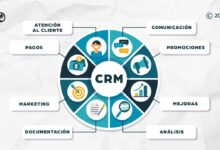
A CRM based platform is a centralized digital ecosystem designed to manage all aspects of customer relationships. It goes beyond simple contact management by integrating sales, marketing, customer service, and analytics into a unified system. The goal? To deliver personalized experiences, boost retention, and drive revenue growth.
Core Definition and Functionality
CRM stands for Customer Relationship Management. At its core, a crm based platform collects and organizes customer data from multiple touchpoints—emails, calls, social media, website visits, and more. This data is then used to track interactions, forecast sales, automate workflows, and enhance customer support.
- Centralizes customer data from various channels
- Tracks customer lifecycle from lead to loyal advocate
- Enables automation of repetitive tasks like follow-ups and email campaigns
Unlike standalone tools, a crm based platform offers a 360-degree view of the customer, making it easier for teams to collaborate and deliver consistent service.
Evolution of CRM Systems
CRM systems have evolved dramatically since their inception in the 1980s. What began as basic contact management software has transformed into intelligent, cloud-based platforms powered by AI and machine learning.
- 1980s–1990s: Contact management tools stored customer data on local databases.
- 2000s: Web-based CRMs emerged, enabling remote access and integration with email and calendars.
- 2010s–Present: Cloud-native, mobile-friendly crm based platforms with AI-driven insights, automation, and deep third-party integrations.
Today’s platforms don’t just store data—they predict behavior, recommend actions, and personalize customer journeys in real time.
“CRM is no longer about managing contacts; it’s about managing relationships at scale.” — Gartner Research
Key Features of a Modern CRM Based Platform
Modern crm based platforms are feature-rich environments designed to support every stage of the customer journey. These features are not isolated tools but interconnected components that work together to create seamless experiences.
Contact and Lead Management
One of the foundational features of any crm based platform is its ability to manage contacts and leads efficiently. This includes capturing lead information from forms, tracking lead sources, and scoring leads based on engagement and behavior.
- Automated lead capture from websites, social media, and ads
- Lead scoring models to prioritize high-value prospects
- Duplicate detection and data cleansing tools
Platforms like Salesforce use AI to suggest the best leads to follow up on, increasing conversion rates significantly.
Sales Pipeline and Forecasting
A crm based platform visualizes the sales pipeline, showing where each deal stands—prospecting, negotiation, closing, etc. This transparency helps sales managers monitor progress and forecast revenue with greater accuracy.
- Drag-and-drop pipeline stages for intuitive management
- Real-time dashboards showing deal velocity and win rates
- AI-powered forecasting that analyzes historical data and trends
For example, HubSpot CRM integrates pipeline data with marketing analytics to show how campaigns impact deal flow.
Marketing Automation and Campaign Management
Top-tier crm based platforms include robust marketing automation tools that allow businesses to run targeted campaigns across email, social media, and ads.
- Segmentation based on behavior, demographics, and purchase history
- Automated email workflows triggered by user actions
- A/B testing for subject lines, content, and CTAs
These tools reduce manual effort while increasing campaign relevance and ROI. According to Marketing Dive, companies using marketing automation see a 451% increase in qualified leads.
Top 5 CRM Based Platforms in 2024
With dozens of options available, choosing the right crm based platform can be overwhelming. Here’s a breakdown of the five most powerful platforms dominating the market in 2024.
1. Salesforce Sales Cloud
Salesforce remains the gold standard in crm based platforms. Its Sales Cloud offers end-to-end sales management with AI-driven insights through Einstein Analytics.
- Highly customizable with thousands of AppExchange integrations
- Strong mobile app for on-the-go sales teams
- Advanced reporting and forecasting tools
Suitable for enterprises and mid-sized businesses, Salesforce excels in scalability and innovation. However, it can be complex to set up without expert guidance.
2. HubSpot CRM
HubSpot CRM is a favorite among small to mid-sized businesses due to its user-friendly interface and free tier. It’s a crm based platform that grows with your business.
- Free plan includes contact management, email tracking, and deal pipelines
- Seamless integration with HubSpot’s marketing, sales, and service hubs
- Excellent onboarding and educational resources
HubSpot’s strength lies in its ecosystem. As your needs grow, you can upgrade to paid tiers without switching platforms. Learn more at HubSpot’s official site.
3. Microsoft Dynamics 365
For organizations already using Microsoft 365, Dynamics 365 offers a deeply integrated crm based platform experience.
- Tight integration with Outlook, Teams, and Excel
- AI-powered insights embedded in workflows
- Flexible deployment options (cloud, on-premise, hybrid)
Dynamics 365 is ideal for businesses that want CRM functionality without disrupting existing workflows. It’s particularly strong in service and field operations.
4. Zoho CRM
Zoho CRM is a cost-effective, feature-rich crm based platform that’s perfect for startups and growing businesses.
- AI assistant (Zia) automates data entry and predicts sales outcomes
- Customizable workflows and blueprints for process automation
- Over 40 pre-built integrations with tools like Gmail, Slack, and QuickBooks
Zoho also offers industry-specific editions for retail, healthcare, and education. Visit Zoho CRM to explore its capabilities.
5. Pipedrive
Pipedrive is built for sales-first organizations. Its visual pipeline interface makes it easy to track deals and manage follow-ups.
- Intuitive drag-and-drop deal management
- Activity reminders and automated workflows
- Strong mobile app with offline access
While it lacks some advanced marketing features, Pipedrive shines in simplicity and sales focus. It’s a top choice for small sales teams.
Benefits of Using a CRM Based Platform
Implementing a crm based platform delivers measurable benefits across departments. It’s not just a sales tool—it’s a company-wide engine for growth and efficiency.
Improved Customer Experience
A crm based platform ensures that every customer interaction is informed and consistent. Whether it’s a support agent or a sales rep, they have access to the full history of the customer’s journey.
- Personalized communication based on past behavior
- Faster response times due to centralized information
- Proactive service through automated alerts and suggestions
According to Forrester Research, companies with strong CRM strategies see a 20% increase in customer satisfaction scores.
Increased Sales Efficiency
Sales teams spend less time on admin and more time selling. Automation handles follow-ups, data entry, and reporting, allowing reps to focus on closing deals.
- Automated lead assignment based on territory or workload
- Real-time notifications for new leads or stalled deals
- Mobile access to customer data during client meetings
A study by Nucleus Research found that CRM systems deliver an average $8.70 return for every dollar spent.
Enhanced Data Accuracy and Reporting
Manual data entry leads to errors and inconsistencies. A crm based platform enforces data standards and uses automation to keep records up to date.
- Duplicate merging and validation rules
- Automated data enrichment from third-party sources
- Customizable dashboards and reports
Managers can generate real-time reports on sales performance, campaign ROI, and customer churn—critical for strategic decision-making.
How to Choose the Right CRM Based Platform
Selecting the right crm based platform requires careful evaluation of your business needs, team size, budget, and long-term goals.
Assess Your Business Needs
Start by identifying your primary use cases. Are you focused on sales automation, customer support, marketing campaigns, or all three?
- Small businesses may prioritize ease of use and affordability
- Enterprises need scalability, security, and deep customization
- Service-heavy businesses require robust ticketing and knowledge base features
Map out your customer journey and identify pain points that a crm based platform can solve.
Integration Capabilities
Your crm based platform should integrate seamlessly with existing tools—email, calendar, accounting software, e-commerce platforms, and more.
- Check for native integrations with tools like Gmail, Outlook, Shopify, or WordPress
- Look for API access if you need custom integrations
- Ensure two-way sync to avoid data silos
For example, integrating your CRM with Shopify ensures that customer purchase history is automatically updated in your CRM.
Scalability and Customization
Choose a platform that can grow with your business. A crm based platform that works for 10 users should still perform well with 100.
- Modular pricing plans that allow incremental upgrades
- Custom fields, workflows, and automation rules
- Role-based permissions for security and control
Platforms like Salesforce and Zoho offer extensive customization options, while HubSpot balances simplicity with growth potential.
Implementation Best Practices for CRM Based Platforms
Even the best crm based platform will fail without proper implementation. Follow these best practices to ensure a smooth rollout and high user adoption.
Data Migration and Cleanup
Before importing data, clean it thoroughly. Remove duplicates, standardize formats, and verify accuracy.
- Use data cleansing tools provided by the CRM or third-party apps
- Map legacy data fields to CRM fields correctly
- Test migration with a small dataset before full import
Poor data quality undermines trust in the system and leads to user frustration.
User Training and Onboarding
Invest in comprehensive training. Even intuitive platforms require guidance to unlock their full potential.
- Conduct role-specific training sessions (sales, marketing, support)
- Create video tutorials and quick-reference guides
- Appoint internal CRM champions to support peers
According to CIO.com, companies that provide structured CRM training see 50% higher adoption rates.
Continuous Optimization
A crm based platform is not a “set it and forget it” tool. Regularly review usage, gather feedback, and refine workflows.
- Monitor user activity and identify underused features
- Update automation rules based on changing business needs
- Conduct quarterly audits of data quality and process efficiency
Continuous improvement ensures your CRM remains aligned with business goals.
Future Trends in CRM Based Platforms
The future of crm based platforms is shaped by AI, automation, and hyper-personalization. Staying ahead of these trends ensures long-term competitiveness.
AI-Powered Predictive Analytics
Next-gen crm based platforms use AI to predict customer behavior, recommend next best actions, and forecast churn.
- Predictive lead scoring based on engagement patterns
- Churn risk alerts for at-risk customers
- Automated content recommendations for email and ads
Salesforce Einstein and HubSpot’s AI tools are already delivering these capabilities.
Hyper-Personalization at Scale
Customers expect personalized experiences. Modern crm based platforms use data to tailor every interaction—emails, offers, support responses.
- Dynamic content based on user behavior and preferences
- Personalized product recommendations
- Behavior-triggered messaging (e.g., abandoned cart emails)
According to McKinsey, personalization can reduce acquisition costs by up to 50%.
Integration with Emerging Technologies
CRM platforms are integrating with IoT, voice assistants, and AR/VR to create immersive customer experiences.
- IoT data from smart devices feeding into CRM for proactive service
- Voice-enabled CRM access for hands-free updates
- AR-powered product demos linked to customer profiles
These innovations are still emerging but represent the next frontier in customer engagement.
What is a CRM based platform?
A CRM based platform is a software system that helps businesses manage customer interactions, sales pipelines, marketing campaigns, and customer service. It centralizes data to improve decision-making and customer relationships.
What are the benefits of using a CRM based platform?
Key benefits include improved customer experience, increased sales efficiency, better data accuracy, enhanced reporting, and streamlined team collaboration across departments.
Which CRM based platform is best for small businesses?
HubSpot CRM and Zoho CRM are excellent choices for small businesses due to their affordability, ease of use, and scalable features. Both offer free tiers and robust functionality.
How much does a CRM based platform cost?
Costs vary widely. Free plans (like HubSpot’s) exist, while enterprise solutions like Salesforce can cost $100+ per user/month. Most platforms offer tiered pricing based on features and users.
Can CRM platforms integrate with other business tools?
Yes, most modern crm based platforms offer integrations with email, calendars, marketing tools, e-commerce platforms, and accounting software via native connectors or APIs.
Choosing the right crm based platform is a strategic decision that impacts every customer-facing function. From Salesforce to HubSpot, the top platforms offer powerful tools to drive growth, enhance service, and build lasting relationships. By understanding your needs, following best practices, and staying ahead of trends, you can unlock the full potential of your CRM investment. The future of customer engagement is intelligent, integrated, and centered around the customer—powered by a robust crm based platform.
Recommended for you 👇
Further Reading:
